The Ultimate Guide to Women Running Shoes: Comfort, Performance & Style
Choosing the right women’s running shoes is crucial for enjoyment, injury prevention, and achieving your fitness goals. Whether you're training for a marathon, hitting the pavement for daily fitness, or enjoying scenic trail runs, the perfect pair supports your feet uniquely. This guide explores key factors to help you find your ideal match.
1. Prioritize Proper Fit & Support: Women's feet often have a different shape than men's – typically narrower in the heel with a wider forefoot. Quality women running shoes are anatomically designed with this in mind, offering a more secure heel cup and ample toe room. Essential elements include:
- Arch Support: Know your arch type (neutral, low, high). Stability or motion control shoes are vital for overpronators (low arches), while neutral runners can prioritize cushioning. Underpronators (high arches) need maximum flexibility and cushion.
- Snug Heel, Room for Toes: Your heel should be locked in without slippage, and you need about a thumb's width of space at the toe-end to prevent bruising downhill.
- Width Options: Many brands offer standard and wide widths for women's models.
2. Cushioning & Responsiveness: Cushioning absorbs impact forces, essential for comfort and joint health. The right amount depends on your weight, gait, and distance:
- Maximum Cushioning: Ideal for long distances or runners needing extra shock absorption.
- Moderate Cushioning: A versatile middle-ground for most runners.
- Minimalist/Barefoot: For experienced runners seeking ground feel and stronger foot muscles.
- Responsive Foams: Look for modern midsole technologies (e.g., Nike React, Adidas Boost, Brooks DNA LOFT) that provide a quick rebound, making runs feel bouncier and less fatiguing.
3. Choosing for Terrain (Outsole): Where you run dictates the tread pattern:
- Road Running Shoes: Flexible build, smoother tread for grip on pavement/concrete. Lightweight.
- Trail Running Shoes: Aggressive, multi-directional lugs for superior grip on dirt, mud, and rocks. Often sturdier with rock plates for protection. More durable upper.
- Cross-Training: If mixing running with gym workouts, consider hybrid styles offering lateral support.
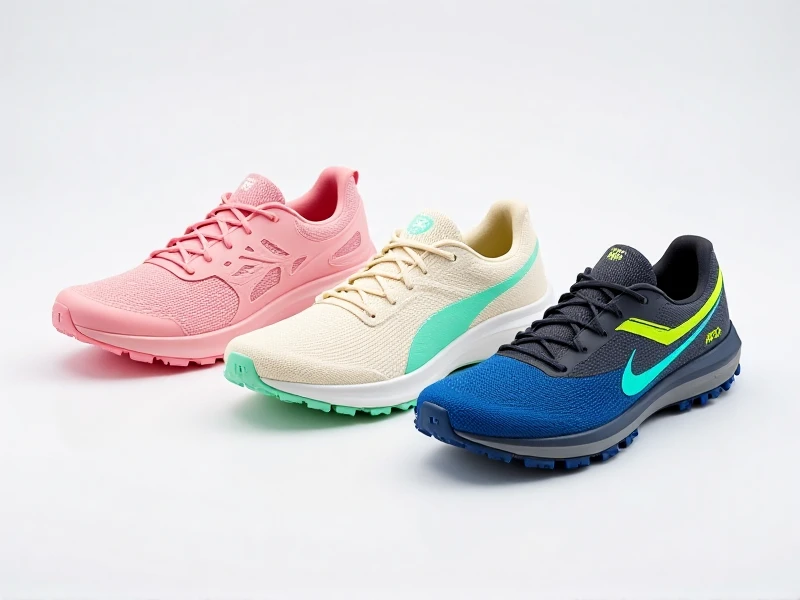
4. Don't Forget Style & Durability: Performance is key, but aesthetics matter too! Modern women running shoes come in vibrant colors and sleek designs. Breathable mesh uppers keep feet cool during intense runs. Consider the wear pattern of your old shoes – durable outsoles and quality construction protect your investment and body from uneven stress.
Finding Your Perfect Pair:
- Get Gait Analyzed: Visit a specialty running store for expert guidance.
- Try Later in the Day: Feet swell slightly during the day. Test shoes later for true fit.
- Wear Your Running Socks: Bring the socks you intend to run in when trying on.
- Replace Regularly: Most women running shoes last 300-500 miles. Pay attention to worn cushioning and tread.
The best women running shoes combine comfort, tailored support, performance technology, and style to make every run feel effortless. Investing time in finding the perfect pair empowers your running journey, boosting confidence and helping you redefine what’s possible mile after mile. Step into the right support and unleash your potential!